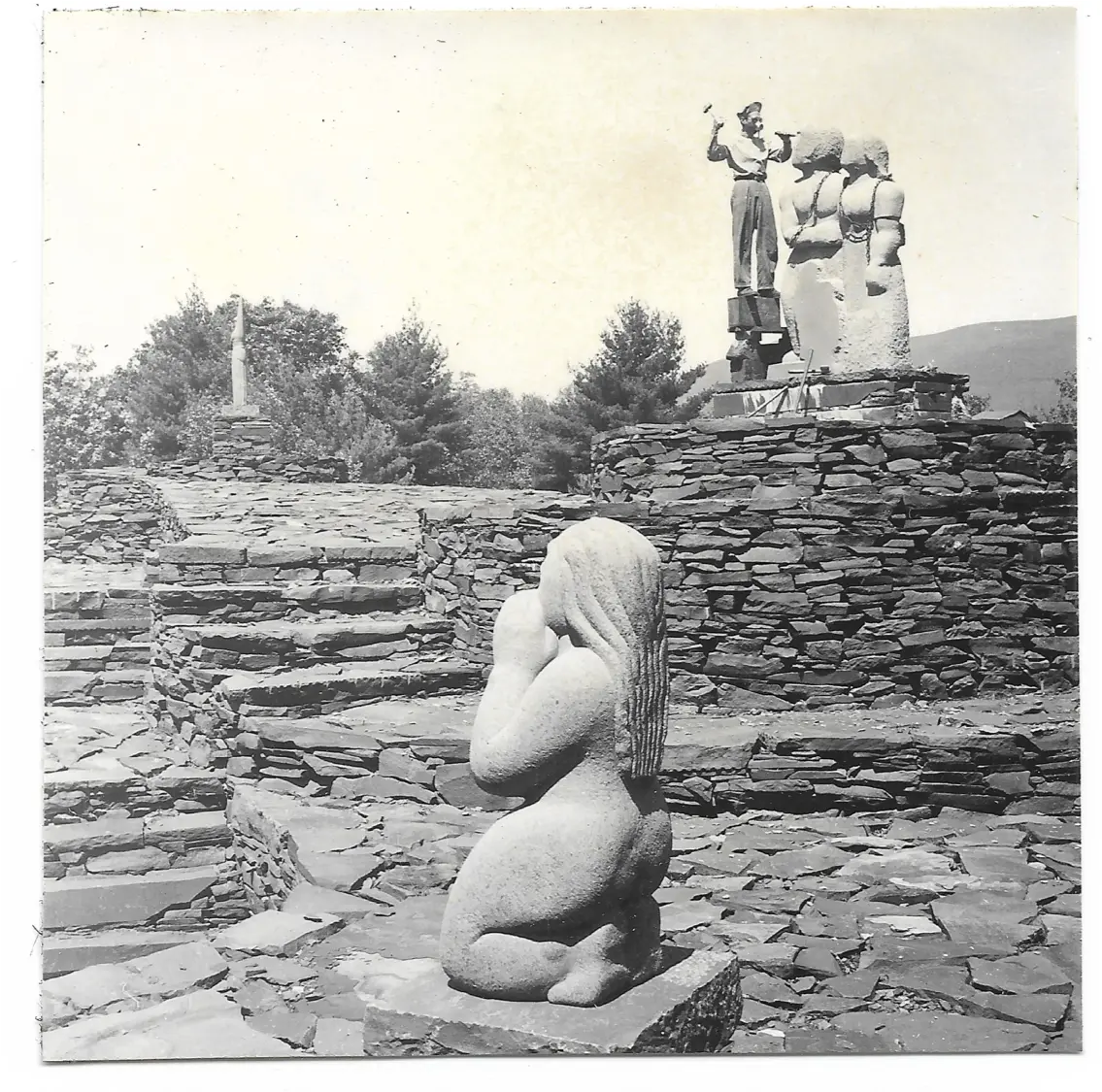
The central monolith of Opus 40

The artist · 1903—1976

A restless life,
given form.

Harvey Fite did not arrive at sculpture by a straight path. He found it through theater, travel, teaching, and a lifelong appetite for making.

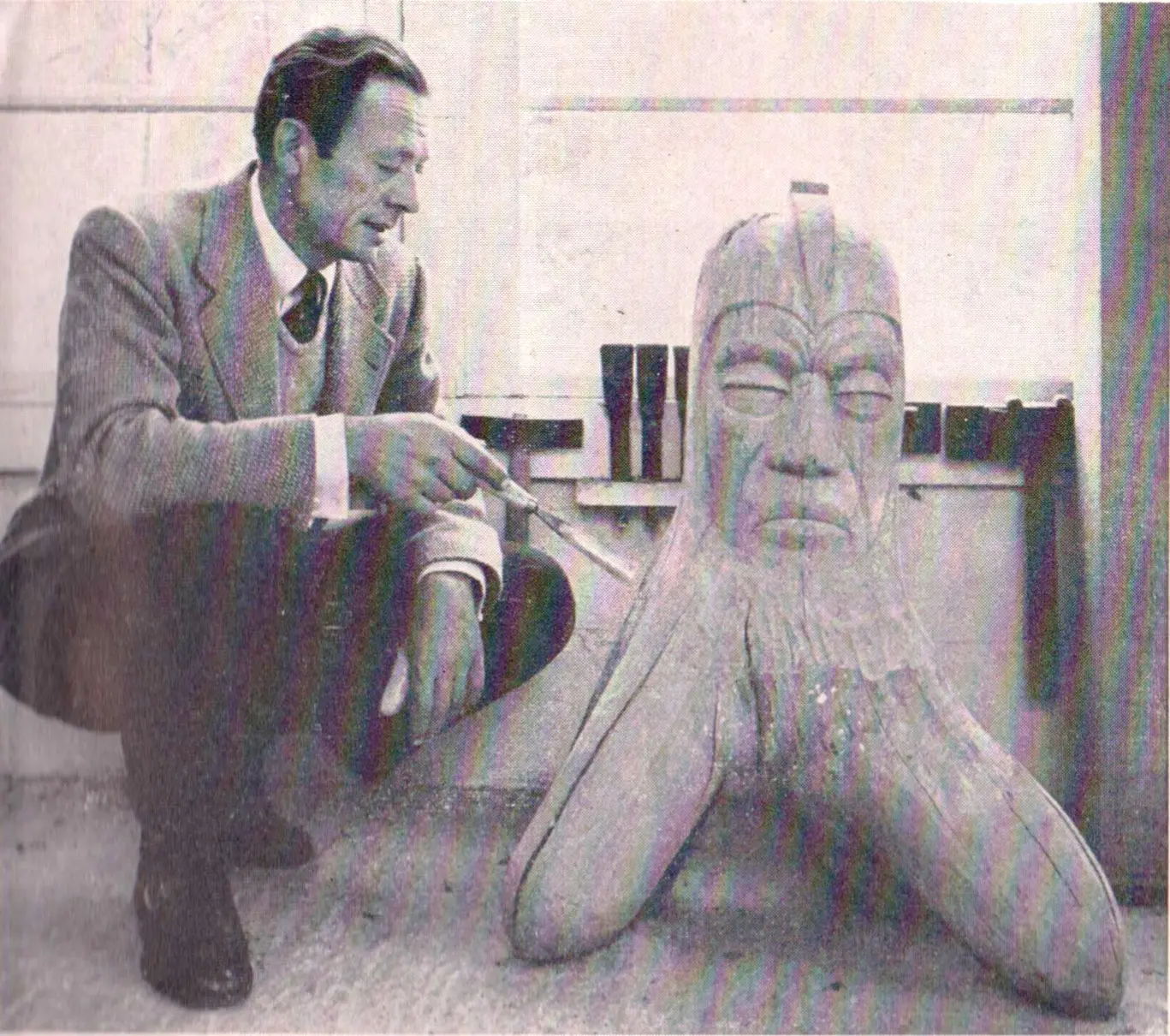
Harvey Fite's self-portrait bust

Self-Portrait · carved stone · Bard College

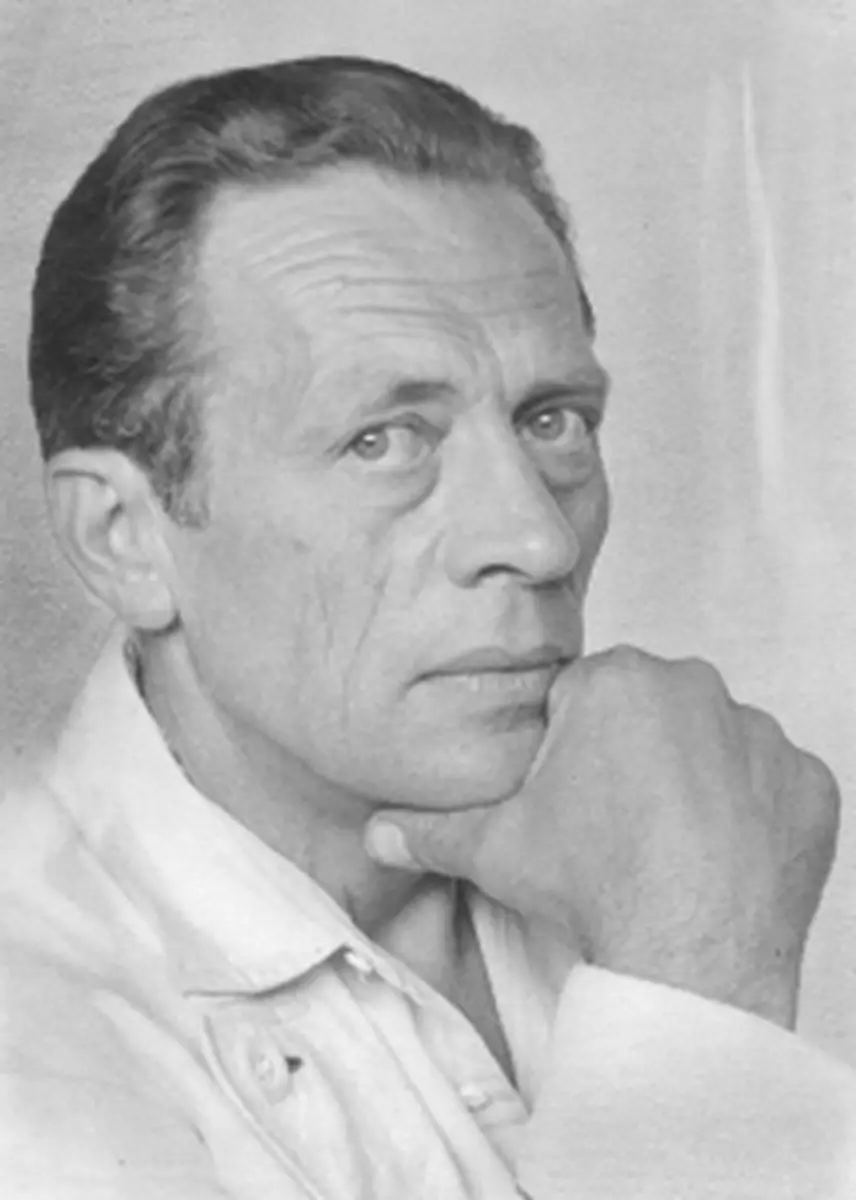
Harvey Fite

He made his own education out of attention.

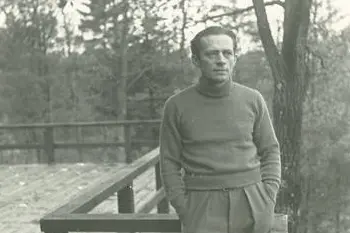
Born in Pittsburgh on Christmas Day, 1903, Fite grew up in Texas, the son of carpenter Tom Fite and Floy Ruffner Fite. He tried law, considered the ministry, discovered acting, and ultimately found the work that could hold all of his interests: sculpture.

His formal education was intermittent, but his learning was not. He studied sculpture in Florence with Corrado Vigni, helped restore ancient Maya monuments at Copán, traveled widely, read deeply, and absorbed the architecture, ritual, and movement of many cultures.

01

From stage to studio

The actor who began to carve backstage

In 1929 Fite joined the Maverick Theater in the Woodstock arts colony and later worked with the traveling Jitney Players. In 1931, waiting in a costume room, he began whittling a discarded wooden spool. The act felt immediate and complete. Sculpture became his direction.

02

Bard College

A teacher who built a place for art

Fite returned to St. Stephen’s—soon to become Bard College—in 1933. Across 36 years he taught drama and sculpture and helped establish the college’s visual arts program. His teaching and making remained entwined: each was a way of learning by doing.

03

High Woods, Saugerties

A home, a family, and a quarry

In 1938 he bought a disused bluestone quarry in Saugerties. Using salvaged timbers, he built a home on its edge. In 1943 he met Barbara Fairbanks Richards; they married the following year. Barbara became his closest aesthetic collaborator and the future steward of his work.

Direct carving

Let the material lead.

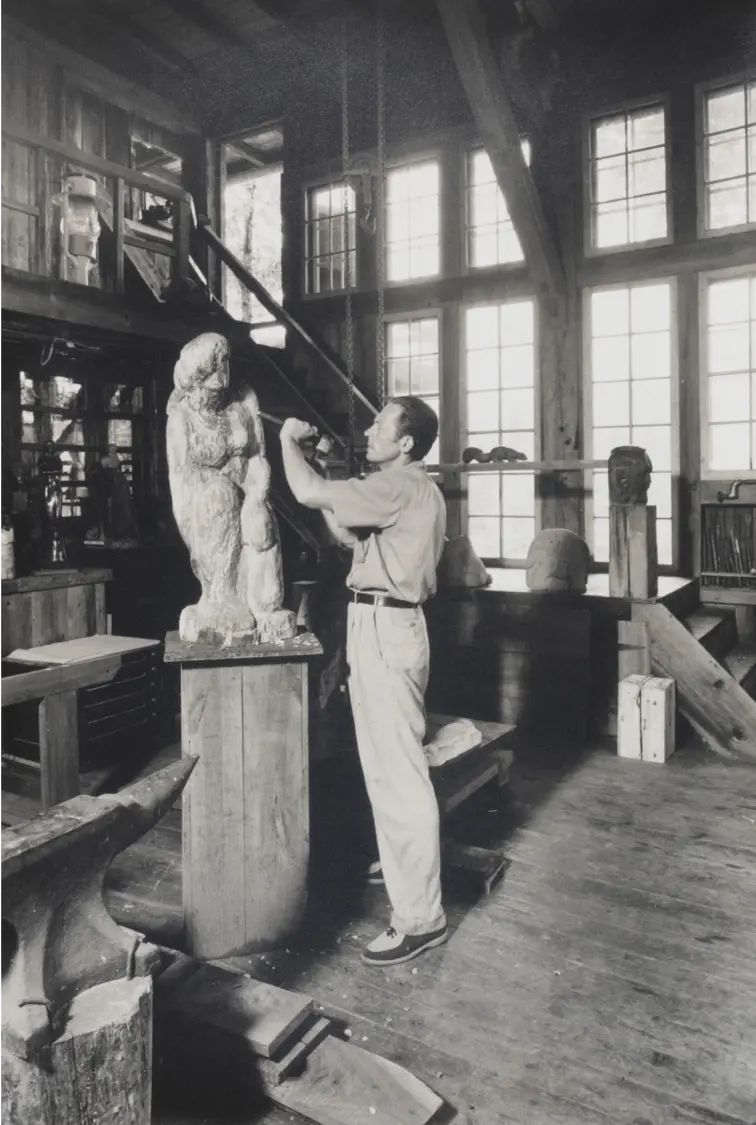
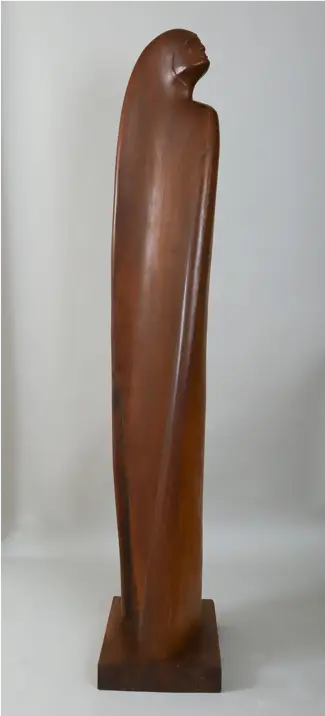
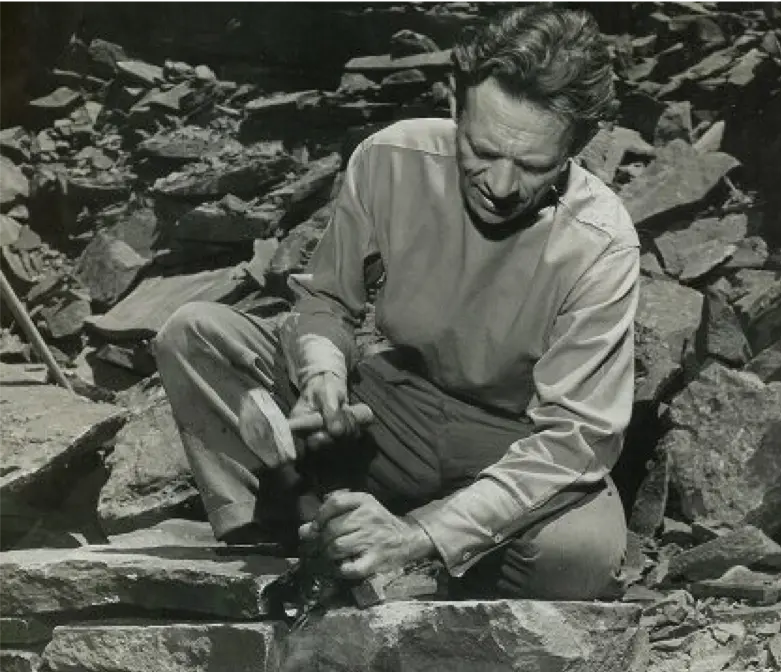
Fite worked in wood, bluestone, marble, alabaster, bronze, plaster, and found materials. His studio sculptures range from quiet animals and portrait heads to dancers, biblical figures, and monumental human forms. What connects them is directness: the grain, weight, fracture, and silhouette of the material remain present.

The stone was not a surface to disguise. Its limits were part of the idea.

That belief ultimately expanded beyond the block. At Opus 40, the entire quarry—its voids, discarded rubble, water, vegetation, horizon, and changing light—became his material.

Explore the sculpture
Layered bluestone at Opus 40Material / mass / balance / time

Beyond the quarry

Artist, exhibitor, citizen

1947

Play, carved in amaranth, enters the Whitney Museum’s annual exhibition of contemporary American art.

1949–50

Solo exhibitions at L’Obelisco in Rome and Galerie Raymond Creuze in Paris bring his sculpture to European audiences.

1952

Fite attends UNESCO’s first International Conference of Artists as an observer.

1977

The Smithsonian’s Hirshhorn Museum includes Opus 40 in Probing the Earth, recognizing Fite as a precursor to Land Art.

May 9, 1976

The work stops. The work continues.

Fite died at 72 after an accident while mowing near the southern edge of the quarry. He had been working on Opus 40 for 37 years, still shaping an amphitheater and still imagining what might come next.

Barbara Fite founded the nonprofit Opus 40, Inc. in 1978. Family, neighbors, artists, preservationists, and generations of visitors have continued the work of caring for the place—not completing his sculpture, but allowing its life to continue.

See the complete timeline